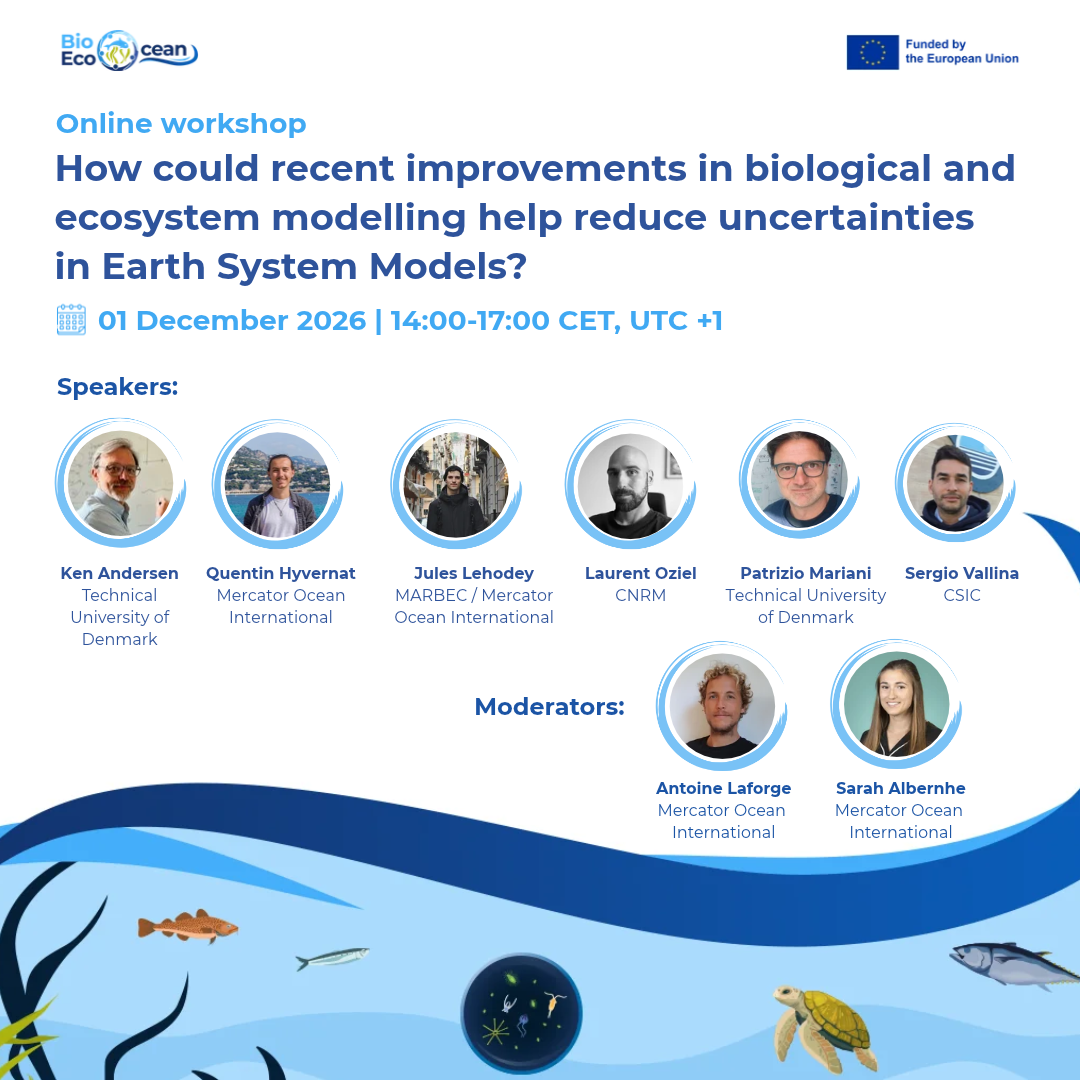
Speakers
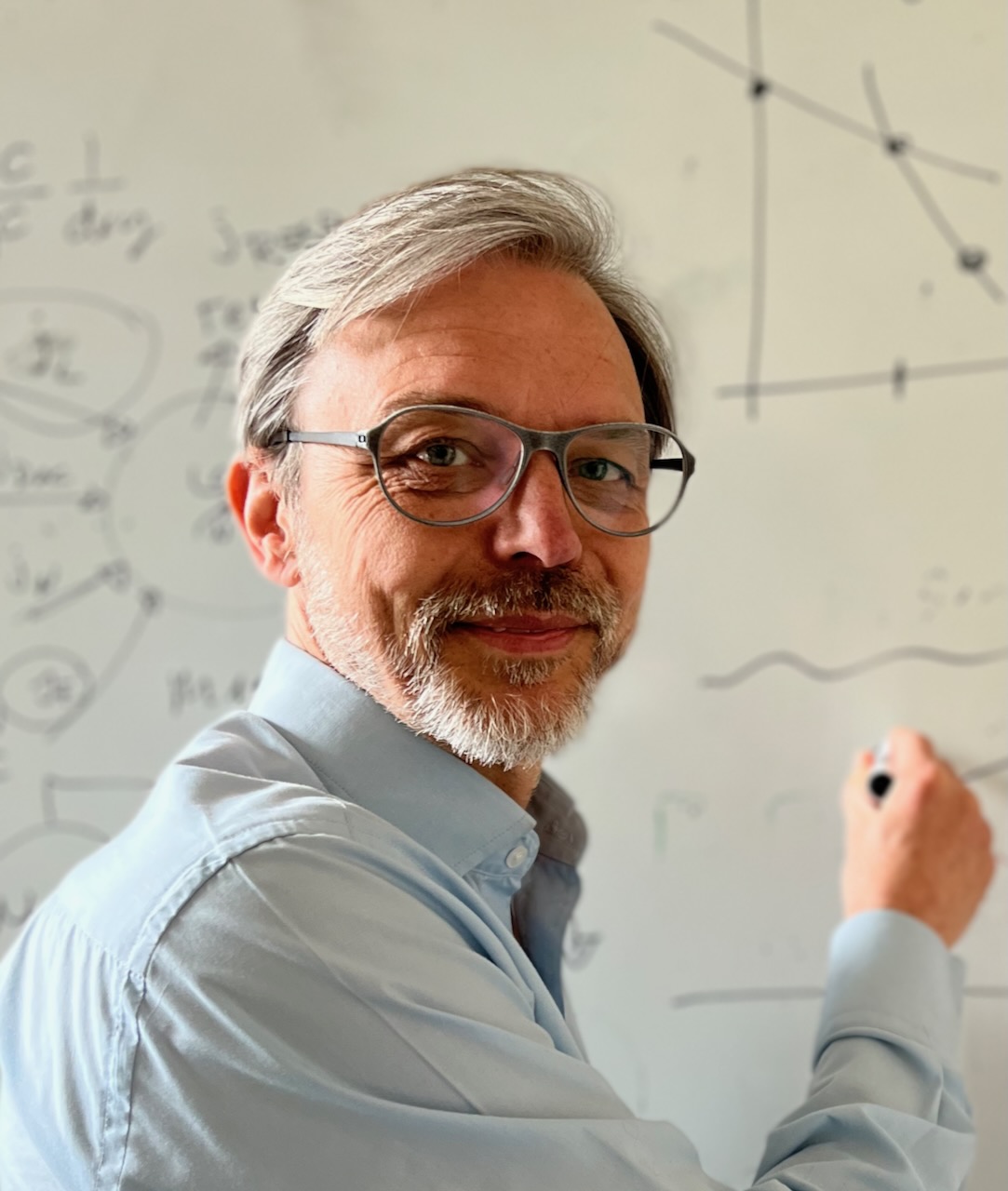 Ken Andersen (Technical University of Denmark)
Presentation title: Integrating the fish community into Earth System Models
Ken combines theoretical physics with marine ecology to make quantitative predictions of ecosystems' structure and function, from bacteria to whales, and uses evolutionary theory to understand the diversity of life. history strategies
 Quentin Hyvernat (Mercator Ocean International)
Presentation title: Understanding the pCO₂ seasonal cycle bias in biogeochemical models through parameter optimization with BGC-Argo data
Quentin is a postdoctoral researcher at Mercator Ocean International, after completing his PhD at Sorbonne University in 2026. He develops parameter optimization methods that use BGC-Argo float data to constrain ocean biogeochemical models. His goal is to correct the seasonal pCO₂ bias these models show, and so reduce uncertainties in future projections of the air–sea CO₂ flux.
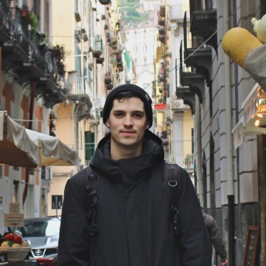 Jules Lehodey (Mercator Ocean International)
Presentation title: Calibrating a global zooplankton model: improvements and limits
Jules is a PhD candidate at the University of New Caledonia (IRD), hosted at Mercator Ocean International. His thesis focuses on zooplankton dynamics in the Pacific Ocean. He rebuilt the lower and mid trophic levels model of SEAPODYM as SeapoPym, an open-source Python model (Geoscientific Model Development, 2026), and he now calibrates it on global net observations to see which processes the data can constrain. Before his PhD, he worked on fisheries modelling and environmental data engineering for European and Pacific projects.
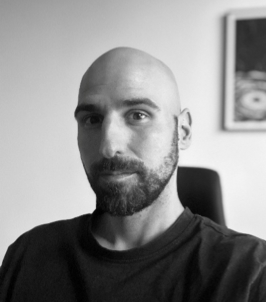 Laurent Oziel (National Center of Meteorologic Research)
Presentation title: Exacerbated challenges for biogeochemical modeling in the Arctic Ocean
Laurent is a biogeochemical modeller with strong expertise in Arctic observations (satellites, in situ). Positioned at the interface between physics and biogeochemistry, his interests are the impacts of Climate Change on the cycling of nutrients and carbon, and subsequent effects on the carbon pumps and ecosystem. His latest investigations concern remineralisation, terrigenous inputs, but also (sub)mesoscale interactions.
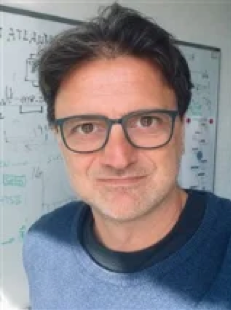 Patrizio Mariani (Technical University of Denmark)
Presentation title: Earth System Model emulators for oceanography
Professor at the Technical University of Denmark leading the group on Observation Technology at DTU Aqua, focusing on the development of ocean technology supporting the next generation integrated marine ecosystem assessments by linking sensor technology, automation and robotics, modeling and applications.
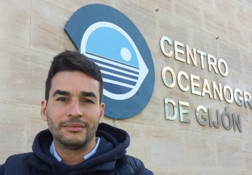 Sergio Vallina (CSIC - Spanish National Research Council)
Presentation title: Environmental and eco-evolutionary drivers of the global patterns of marine phytoplankton diversity
Sergio Vallina is a senior scientist at the Gijón Oceanography Centre (CSIC). His research evaluates several fundamental aspects of the dynamics of marine planktonic ecosystems and it is structured along three complementary lines of eco-evolutionary theory. First, how the «ecological selection» of plankton species due to resource competition and environmental filtering affects community assembly and global diversity patterns. Second, how «plankton diversity» affects ecosystem functioning (e.g. productivity, stability). Third, how the «adaptive evolution» of ecological traits affects the species' fitness and the performance of the whole community. The goal of this research is to assess the impact of eco-evo dynamics on food web structure, functioning and resilience under Global Environmental Change (GEC) scenarios. His research combines computational analysis of observational data and global ocean simulations using ecosystem models that are built on first principles.
Moderators
Antoine Laforge (Mercator Ocean International)
Sarah Albernhe (Mercator Ocean International)