24.11.2025
BioEcoOcean presence at the Living Data 2025 Conference
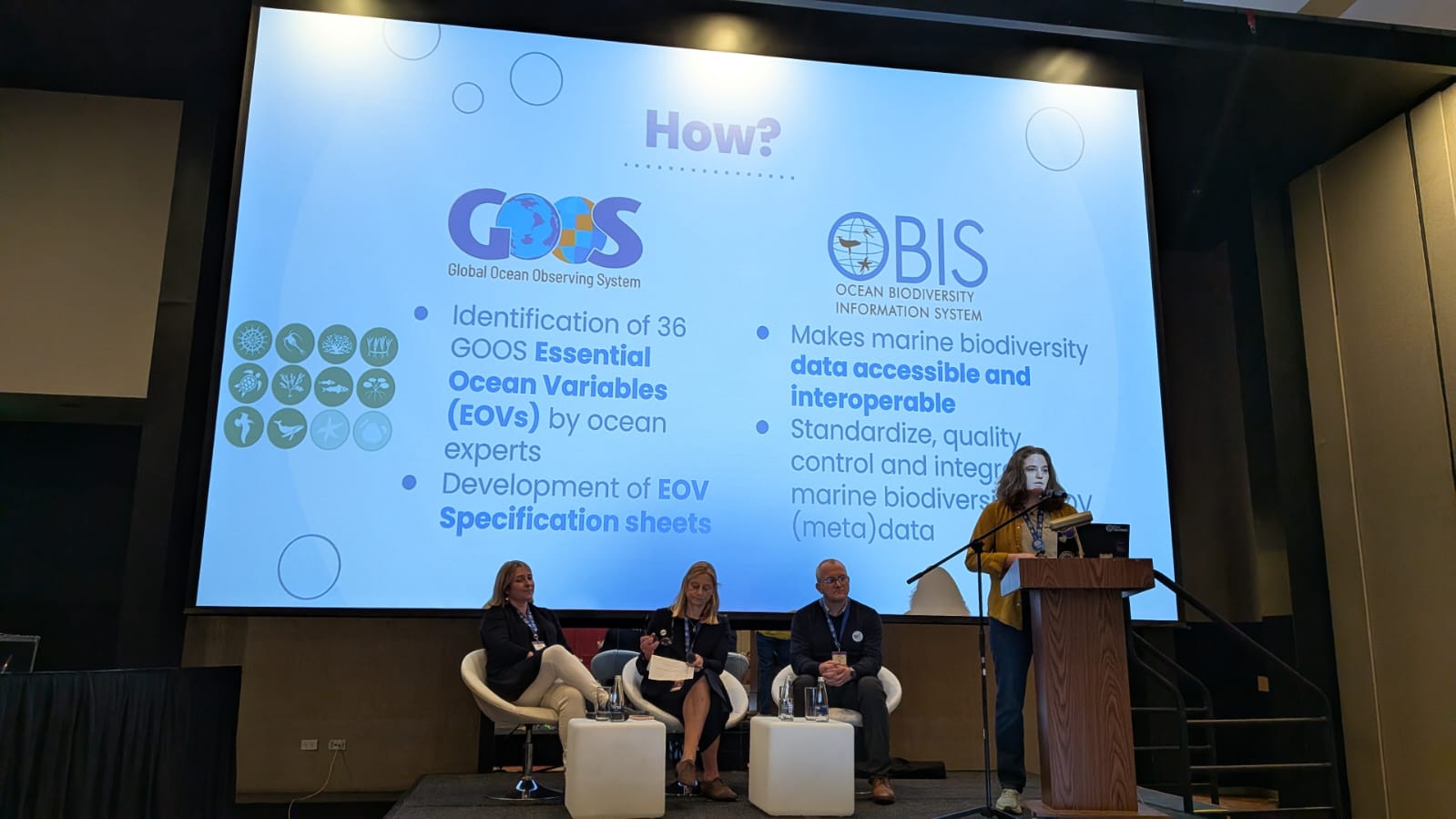
We would like to share that Elizabeth Lawrence, our colleague from Ocean Biodiversity Information System (OBIS), attended the Living Data 2025 conference held in Bogota, Colombia, in October 2025. She gave four insightful presentations on data management:
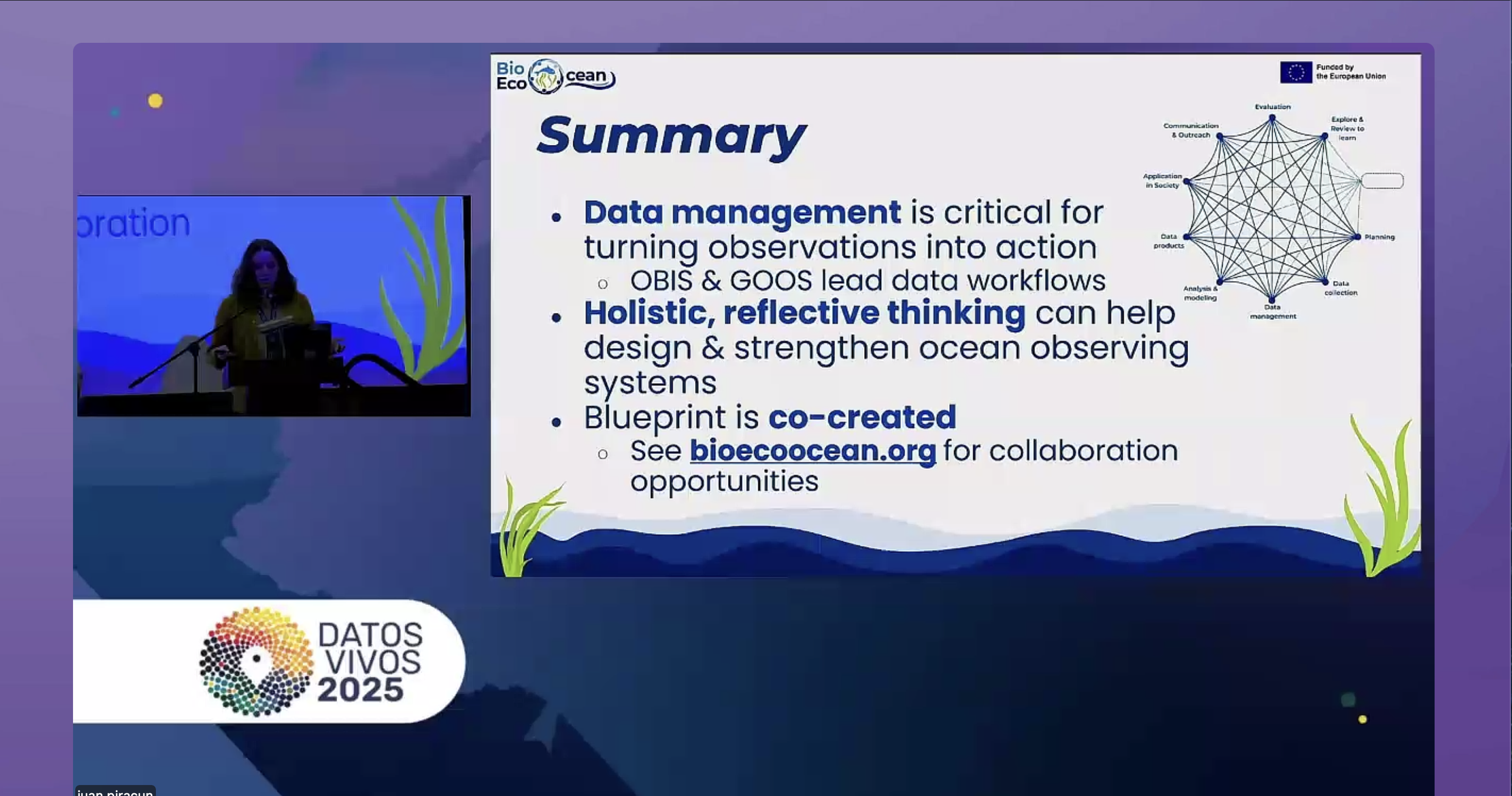
- From Observation to Impact: Co-created tools emphasize the role of data management in global biodiversity observing systems
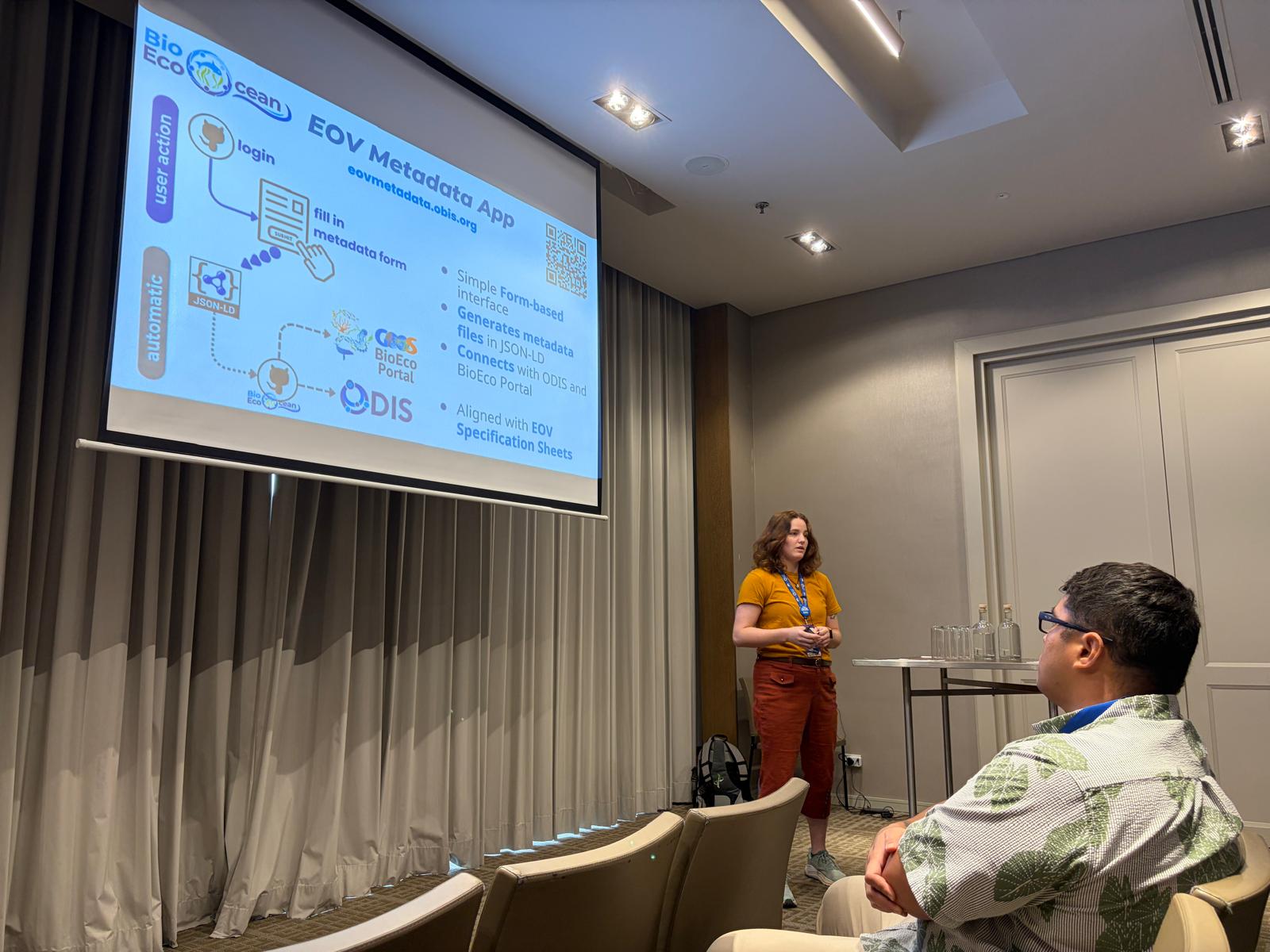
- Bridging the Gap: Simplifying Metadata Flows with an EOV Application
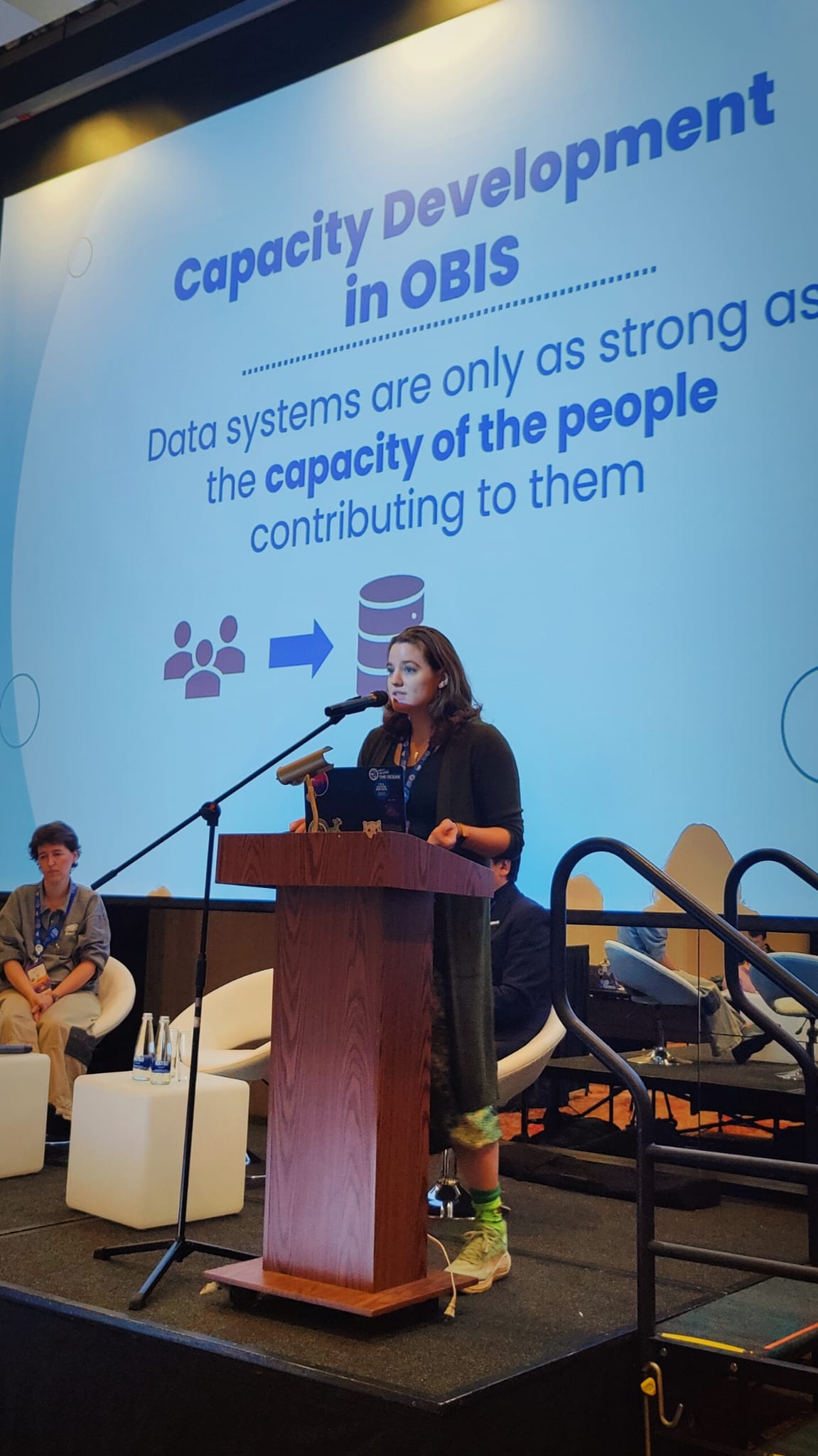
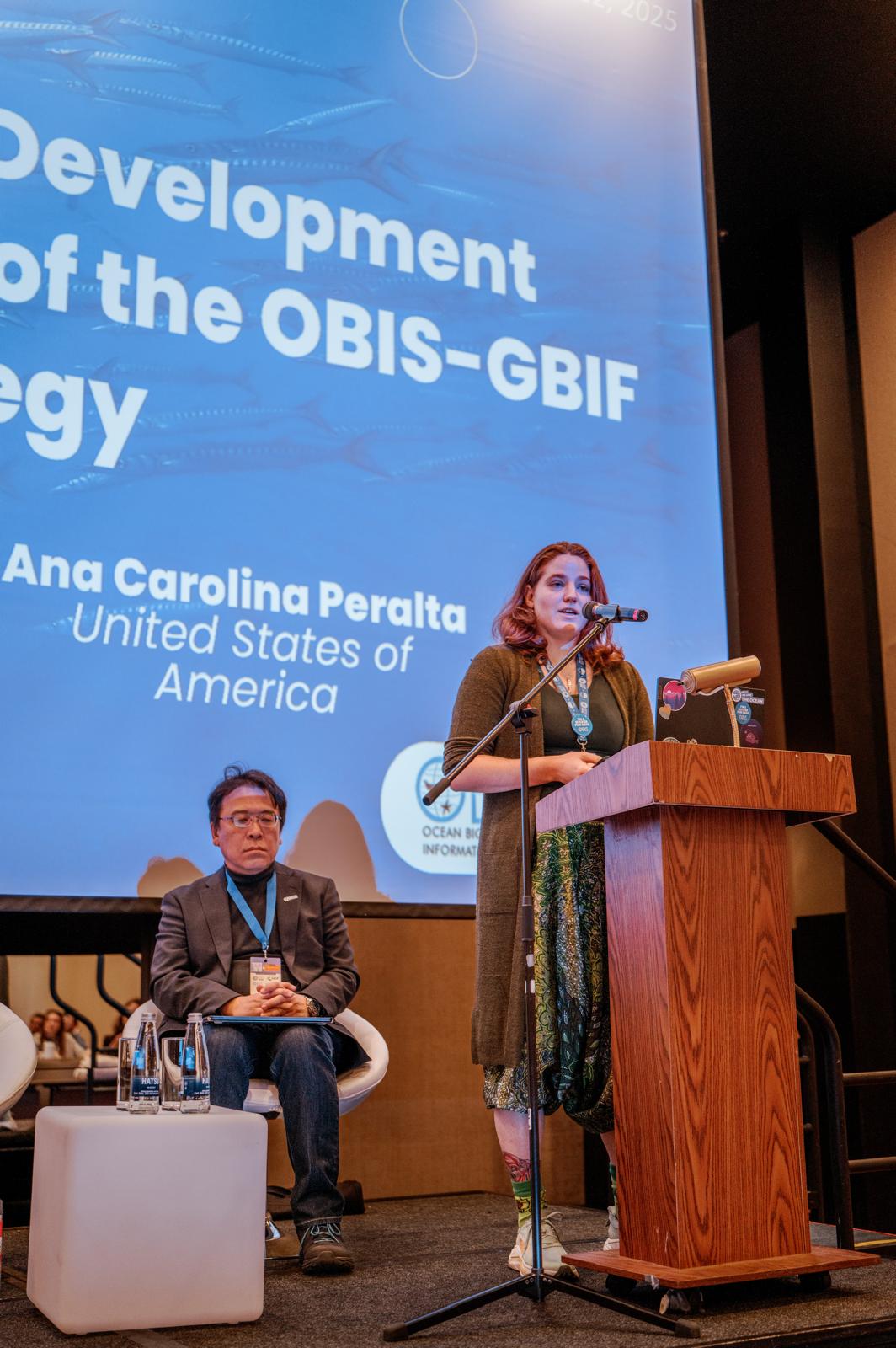
- OBIS Capacity Development Initiatives in light of the OBIS-GBIF Strategy
- Using the eMoF and controlled vocab: Beyond Species Occurrences: Harnessing eMoF Data for Marine Biodiversity Science
She was also co-organizer of 3 sessions:
- Community Engagement and Capacity Building for Increased Biodiversity Data Accessibility
- Integrating (and increasing the use of) additional data types
- Trust, Traceability & Transparency: Tackling biodiversity data provenance
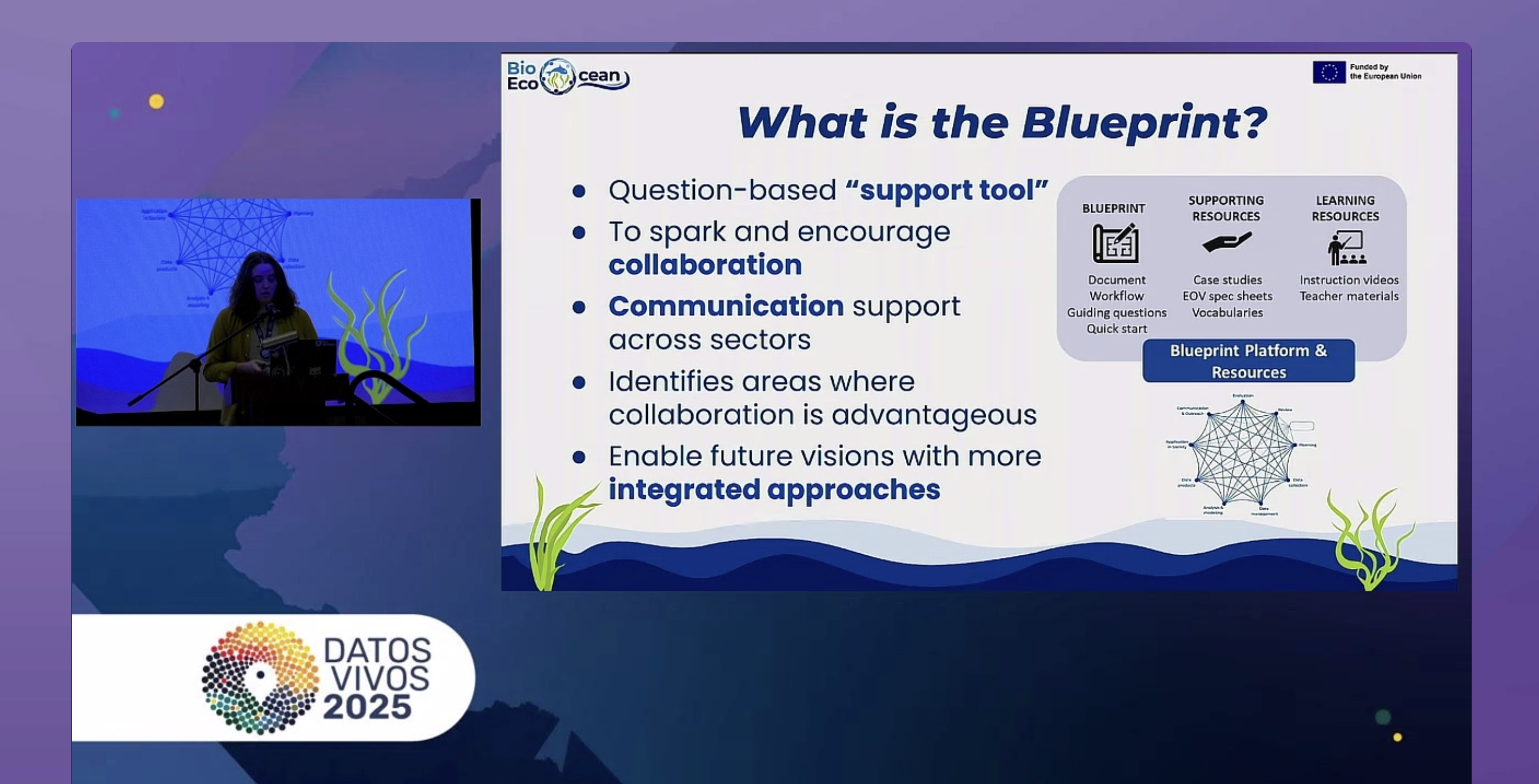
Appreciating her valuable and extended contribution, we want to highlight those two presentations directly related to the BioEcoOcean project. The former co-authored with the BioEcoOcean lead, Lina Mtwana Nordlund, introduces the Blueprint, demonstrating its utility with OBIS data as a use case, tracing how data relates to and ‘flows’ through each Blueprint component, and emphasizing the critical role of data management. The latter showcases the development of an Essential Ocean Variable (EOV) Application and its key features, and role in advancing trust and traceability in biodiversity data management. Both presentations are accessible from our BioEcoOcean Community on Zenodo.
Authors:
Elizabeth Lawrence - UNESCO | IOC Project Office for IODE Ocean Biodiversity Information System, Canada
Lina Mtwana Nordlund - Uppsala University, Sweden
Abstract
Biological and ecosystem observations are essential for tracking biodiversity, monitoring ecosystem health, and informing ecosystem-based management. Yet they remain less coordinated compared to physical and biogeochemical observations, limiting their application in addressing global challenges. The Horizon Europe project, BioEcoOcean, is developing a Blueprint for Integrated Ocean Science, a transformative, co-creative initiative to strengthen collaboration and innovation within the ocean observation community. Designed as a question-driven, flexible resource, the Blueprint encourages users to critically reflect on aspects of the ocean observation system, from planning and data collection to application in policy, management, and societal benefit. It aims to encourage cross-disciplinary dialogue, bridge gaps across sectors, disciplines, and stakeholder groups, and alignment with frameworks such as the Global Ocean Observing System’s Essential Ocean Variables (GOOS EOVs). The Blueprint is being designed not as a rigid manual, but a dynamic tool informed by future thinking, design thinking, and possibility mapping. This presentation will introduce the Blueprint, demonstrating its utility with OBIS data as a use case, tracing how data relates to and ‘flows’ through each Blueprint component, and emphasizing the critical role of data management. As the Blueprint is a co-creative process, we invite global collaboration to provide feedback and contribute to refining its structure and content. This presentation will also highlight how the Blueprint aligns with global biodiversity goals, and its potential to support a comprehensive and connected Global Biodiversity Observing System.
Title: Bridging the Gap: Simplifying Metadata Flows with an EOV Application
Author: Elizabeth Lawrence - UNESCO | IOC Project Office for IODE Ocean Biodiversity Information System, Canada
Abstract
Metadata is the backbone of trust and transparency in biodiversity data, yet it remains a challenging and often technical process to document effectively. The Ocean Data and Information System (ODIS) aims to facilitate connections between resources like the GOOS BioEco Portal and OBIS, but its technical requirements for submissions can be a barrier for many users. BioEcoOcean, a Horizon Europe project, has supported the development of an Essential Ocean Variable (EOV) Application to address this gap by providing a user-friendly, form-based interface designed for non-technical users to seamlessly record, submit, and update essential metadata about organizations, institutions, or other monitoring programs ("data producers") that monitor biodiversity. By simplifying the process, the tool promotes greater accessibility and ensures metadata aligns with established data schemas, without burdening users with technical knowledge. Future development aims to incorporate EOV data schemas and conversions of field data templates to Darwin Core, further enhancing its utility for biodiversity data management. This presentation will showcase the app's development, key features, and its role in advancing trust and traceability in biodiversity data management.
If you want to learn more about the conference insights, please read about the five takeaways on the future of biodiversity data on the OBIS website.